How to Align the Garage Door Sensors in Austin TX: Complete 2026 Expert Guide

How to Align the Garage Door Sensors in Austin TX: Complete 2026 Expert Guide - how to align the garage door sensors

How to Align the Garage Door Sensors in Austin TX: Complete 2026 Expert Guide

Quick Answer

To align garage door sensors in Austin TX, clean the lenses, ensure each sensor is mounted 6 inches above the floor on opposite tracks, loosen the mounting brackets, adjust until the LED lights stay solid (not blinking), and tighten the brackets. If alignment issues persist after cleaning and adjustment, contact a local professional like those available through Edge Garage Doors for expert sensor calibration and diagnostics.

Did you know that misaligned garage door sensors are responsible for more than 60% of all “garage door won’t close” service calls in residential areas? In Austin TX, where temperature fluctuations between scorching summer heat and occasional winter freezes can shift mounting brackets, understanding how to align the garage door sensors is an essential homeowner skill.

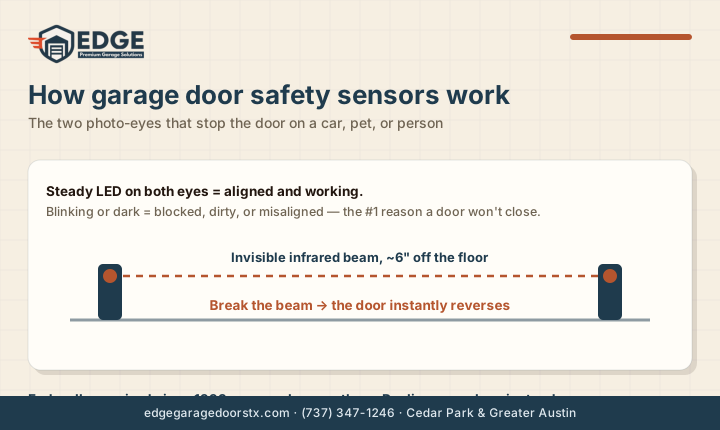
Garage door safety sensors, also known as photo eyes or safety eyes, are the invisible guardians that prevent your door from closing on vehicles, pets, or family members. These paired devices create an infrared beam across your garage door opening, and when that beam is interrupted or misaligned, your door refuses to close completely. This safety feature has prevented countless accidents since becoming mandatory in 1993, but it also means that even minor misalignment can leave your garage vulnerable.

Whether you’re in Steiner Ranch, Cedar Park, or downtown Austin, this comprehensive guide will walk you through professional-grade techniques for diagnosing and correcting sensor alignment issues. We’ll cover everything from basic DIY adjustments that take just minutes to knowing when it’s time to contact garage door services in Austin TX for expert assistance.

What Are Garage Door Sensors and Why Do They Need Alignment?

Garage door safety sensors consist of two units mounted on either side of your garage door opening: a sending unit (transmitter) that emits an infrared beam and a receiving unit (receiver) that detects it. According to industry safety standards, these sensors must be positioned no higher than 6 inches from the garage floor to effectively detect objects in the door’s path.

When properly aligned, these sensors create an invisible safety barrier. If anything breaks the beam while the door is closing, the system immediately reverses the door’s direction, preventing injuries and property damage. The transmitter typically has an amber or yellow LED light, while the receiver displays a green light when properly aligned.

Misalignment occurs when these units no longer face each other perfectly, breaking the infrared connection. This can happen due to several factors common in Austin TX: foundation settling in the limestone-rich soil, vibration from daily use, temperature-induced expansion and contraction, or accidental bumps from vehicles, lawn equipment, or storage items.

The Three Main Types of Sensor Systems

Sensor Type Common Brands Alignment Indicators
Traditional Infrared Chamberlain, LiftMaster Solid green LED when aligned
Enhanced Safety Beam Genie, Craftsman Dual LED system (amber + green)
Smart Connected myQ, Nexx App notifications + LED status

What Are the Common Signs of Misaligned Sensors in Austin?

The most obvious indication of misaligned sensors is a garage door that won’t close completely. Instead of traveling all the way down, the door reverses direction after descending a few inches or feet. This happens because the sensors detect an obstruction (or believe they do due to misalignment) and trigger the safety reversal mechanism.

Another telltale sign is blinking LED lights on one or both sensor units. Most modern garage door openers from brands like Chamberlain and LiftMaster use a blinking pattern to indicate communication problems. Typically, a blinking green or red light on the receiving sensor means it’s not detecting the infrared beam from the transmitter, while the transmitter’s amber light may remain solid.

You might also notice the opener light blinking a specific number of times after attempting to close the door. According to Austin garage door sensor repair specialists, many openers flash between 5 to 10 times to indicate sensor issues, though patterns vary by manufacturer and model.

Austin-Specific Environmental Factors

In Austin TX, several unique environmental conditions contribute to sensor misalignment more frequently than in other regions. The area’s expansive clay soils can cause foundation movement, especially during drought-to-rain cycles common in Central Texas. This subtle shifting affects the garage door frame and sensor mounting points.

Summer temperatures regularly exceeding 100°F can cause metal garage door tracks and sensor mounting brackets to expand, while winter lows (occasionally dipping to freezing) cause contraction. This thermal cycling gradually loosens mounting screws and shifts sensor positioning over time.

how to align the garage door sensors in Austin TX

How to Align Garage Door Sensors: Step-by-Step Instructions

Before attempting any adjustments, ensure your safety by disconnecting power to the garage door opener. Most professionals recommend following video guides for sensor alignment techniques while working through these steps to visualize proper positioning.

Step 1: Clean the Sensor Lenses

Begin by thoroughly cleaning both sensor lenses with a soft, lint-free cloth. Austin’s dusty conditions, combined with pollen from cedar and oak trees, can coat sensor lenses with a film that blocks the infrared beam. Use a slightly damp microfiber cloth to wipe away any accumulated debris, dirt, or spider webs.

Pay special attention to sensor lenses in garages that face south or west, as these receive more direct sunlight and accumulate more dust and pollen. If you notice stubborn residue, a small amount of glass cleaner on the cloth can help, but avoid spraying directly on the sensor units.

Step 2: Check Sensor Mounting and Height

Verify that both sensors are mounted at the same height, ideally 4 to 6 inches above the garage floor. Use a tape measure to confirm both units are level with each other. Uneven mounting is a common issue after garage door installation or when sensors have been bumped by vehicles or equipment.

Examine the mounting brackets for looseness. In Austin’s climate, thermal expansion and contraction can gradually loosen screws. Tighten any loose hardware with a screwdriver, but don’t over-tighten, as this can crack the plastic sensor housings.

Step 3: Perform Initial Visual Alignment

Stand behind one sensor and sight along its lens toward the opposite sensor, similar to aiming down a rifle barrel. The sensors should point directly at each other with no obstructions in between. Even a slight angle can break the infrared beam connection.

If the sensors appear misaligned, loosen the mounting bracket screws just enough to allow adjustment. Most brackets have wing nuts or Phillips head screws that provide easy access for this purpose.

Step 4: Adjust and Test the Alignment

With the mounting brackets loosened, gently adjust the sensor angle while watching the LED indicator lights. The receiving sensor (usually with the green LED) will change from blinking to solid when it detects the infrared beam from the transmitter. This alignment process typically takes less than 5 minutes when done correctly.

Make micro-adjustments by applying gentle pressure to the sensor housing. Some technicians use a level to ensure sensors are perfectly vertical, as a tilted sensor can lose alignment more easily with daily vibration from door operation.

“The most common mistake homeowners make is over-tightening sensor brackets immediately after alignment. In Austin’s variable climate, you want to allow for minimal thermal movement while maintaining alignment. Snug, not tight, is the key,” explains a senior technician from R&S Overhead Door.

Step 5: Secure and Final Testing

Once both LED lights show solid (not blinking), carefully tighten the mounting bracket screws while holding the sensor in position. Check the LED status after tightening each screw to ensure the alignment hasn’t shifted.

Restore power to the garage door opener and test the complete closing cycle several times. The door should close smoothly without reversing. As a final safety check, place an object like a cardboard box in the door’s path to verify the sensors properly detect obstructions and reverse the door.

How Does Austin’s Climate Affect Sensor Alignment?

Austin TX experiences unique weather patterns that directly impact garage door sensor performance and alignment stability. The city’s position in Central Texas creates a climate characterized by high heat, significant humidity variations, and occasional extreme temperature swings that challenge even properly installed sensor systems.

During summer months, when temperatures routinely exceed 95°F and can reach 105°F or higher, metal garage door components expand. This thermal expansion affects the mounting brackets that hold sensors in place, potentially causing gradual misalignment over weeks or months of exposure.

Conversely, Austin’s winter temperature drops (occasionally reaching the low 20s°F during polar events) cause metal components to contract. This expansion-contraction cycle, repeated over hundreds of temperature fluctuations annually, works mounting screws loose and shifts sensor positioning incrementally.

Humidity and Moisture Considerations

Austin’s humidity levels fluctuate dramatically between drought conditions and periods of heavy rainfall. High humidity can cause condensation on sensor lenses, particularly in garages without climate control. This moisture accumulation interferes with the infrared beam transmission and can create false obstruction signals.

The region’s limestone-rich soil also contributes to foundation settling and movement, especially during transitions between drought and wet periods. Homes in neighborhoods like Steiner Ranch, built on hillsides with varying soil compositions, may experience more pronounced foundation shifts that affect garage door frame alignment and sensor positioning.

Should You DIY or Call a Professional in Austin TX?

Most basic sensor alignment issues can be resolved through DIY methods outlined in this guide, especially when the problem involves simple dirt accumulation or minor bracket looseness. However, certain situations warrant professional intervention from experienced garage door service providers in Austin.

Consider DIY alignment when you observe blinking LED lights, the door reverses during closing, or sensors appear visibly crooked. These symptoms typically indicate straightforward alignment problems that respond well to cleaning and bracket adjustment. The process takes minimal time and requires only basic tools like a screwdriver and level.

Professional service becomes necessary when sensors show no LED lights at all (indicating electrical issues), wiring appears damaged or corroded, repeated alignments fail to solve the problem, or you notice physical damage to sensor housings. According to sensor alignment specialists, approximately 15-20% of sensor issues involve wiring problems that require professional diagnosis.

Cost Considerations for Professional Service

Professional sensor alignment and repair services in Austin TX typically range from $75 to $200+ depending on the complexity of the issue, time of service (emergency calls cost more), and whether replacement parts are needed. This pricing reflects diagnostic time, alignment calibration, and any necessary bracket or wiring repairs.

Complete sensor replacement, required when units are damaged or obsolete, generally costs between $150 to $400+ for parts and installation. Pricing varies based on sensor type, brand compatibility (Chamberlain, LiftMaster, Genie, etc.), and whether additional wiring upgrades are necessary to meet current safety codes.

Many Austin area providers, including services available through Edge Garage Doors, bundle sensor calibration with comprehensive maintenance packages that include track alignment, opener diagnostics, and lubrication. These packages often provide better value than standalone sensor service, with pricing dependent on your specific system configuration and service needs.

What If Your Sensors Still Won’t Align After Adjustment?

If you’ve followed all alignment steps and your garage door sensors continue showing misalignment symptoms, several underlying issues may be at play. These advanced problems often require diagnostic expertise beyond basic alignment techniques.

Wiring problems rank among the most common causes of persistent sensor issues. The wire connections running from sensors to the garage door opener can become corroded, loose, or damaged by rodents seeking shelter in Austin garages. Inspect the wiring for any visible damage, paying special attention to connections at the sensor units and opener terminal.

Electrical interference from nearby devices can also disrupt sensor communication. LED bulbs in the garage door opener, wireless routers positioned near the garage, or other electronic devices occasionally generate electromagnetic interference that affects the infrared beam detection. Try temporarily removing potential interference sources to test if sensor function improves.

Structural and Mounting Issues

Foundation settling or garage door track misalignment can prevent sensors from maintaining proper alignment even after adjustment. If you’re experiencing recurring alignment problems every few weeks, particularly in neighborhoods with active soil movement, the issue may stem from structural shifts rather than sensor malfunction.

In these cases, professional assessment of your entire garage door system becomes necessary. Technicians can evaluate whether foundation movement, track alignment issues, or door balance problems are contributing to sensor misalignment. Sometimes what appears to be a sensor problem actually indicates broader garage door system issues requiring comprehensive repair.

According to garage door sensor troubleshooting guides, sensors themselves do eventually fail after years of use, typically showing symptoms like intermittent operation, dim LED lights even with fresh alignment, or complete unresponsiveness.

When to Replace Rather Than Align

Garage door sensors have a functional lifespan of approximately 10 to 15 years under normal operating conditions. In Austin’s demanding climate with temperature extremes and dust exposure, this lifespan may shorten to 8-12 years. Signs that replacement may be more appropriate than alignment include:

  • Sensor housings showing significant physical damage, cracks, or weather deterioration
  • LED lights that remain dim or flicker even after cleaning and fresh alignment
  • Obsolete sensor models incompatible with modern safety standards or smart garage door systems
  • Repeated alignment failures occurring within days or weeks of service
  • Corrosion visible on sensor lenses, wiring connections, or internal components

Modern sensor replacement often provides an opportunity to upgrade to enhanced safety features and smart connectivity. Many homeowners in Austin opt for smart garage door opener systems with integrated sensor diagnostics that provide smartphone notifications when alignment issues develop.

How Can You Prevent Future Sensor Misalignment?

Proactive maintenance significantly reduces sensor misalignment frequency and extends the operational life of your garage door safety system. Implementing a regular maintenance schedule tailored to Austin’s climate helps prevent many common sensor issues before they cause door operation problems.

Monthly cleaning of sensor lenses should become routine, particularly during spring when oak and cedar pollen counts peak in Central Texas. Use a soft, dry microfiber cloth to wipe both sensor lenses, removing dust, pollen, and any accumulated debris. This simple 2-minute task prevents the majority of sensor-related closing failures.

Quarterly inspection of sensor mounting brackets and wiring connections helps catch developing problems early. Check that mounting screws remain snug (but not over-tightened), examine wires for any signs of wear or rodent damage, and verify that LED indicator lights display properly when the system is activated.

Seasonal Maintenance for Austin Climate

Austin’s distinct seasons require targeted maintenance approaches. Before summer heat arrives, inspect sensor mounting brackets for any looseness that thermal expansion might worsen. Consider scheduling professional garage door maintenance in spring to address any winter-related issues before the demanding summer season.

Prior to winter, verify that sensor lenses are clean and properly positioned. Cold weather can amplify existing minor misalignments as metal components contract. If you notice increased sensitivity to temperature changes, professional calibration may extend sensor reliability through winter months.

Spring Maintenance
Task: Deep clean sensors and check alignment
Frequency: March-April annually
Why: Remove winter debris and pollen
Summer Preparation
Task: Tighten mounting brackets
Frequency: May-June before peak heat
Why: Compensate for thermal expansion
Fall Inspection
Task: Verify sensor LED function and wiring
Frequency: October-November
Why: Prepare for winter contraction
Winter Check
Task: Test cold-weather operation
Frequency: December-January
Why: Identify contraction-related issues

Protecting Sensors from Physical Damage

Physical protection of sensor units prevents the most common cause of sudden misalignment. Install protective guards or bollards if your garage configuration places sensors vulnerable to vehicle contact during parking. Many Austin homeowners with two-door garage configurations benefit from protective measures in tighter parking spaces.

Keep the area immediately around sensors clear of stored items, lawn equipment, and seasonal decorations. Even items that don’t directly contact sensors can shift during retrieval and bump mounting brackets. Maintaining a clear 12-inch radius around each sensor unit minimizes accidental contact risk.

For garages that also serve as workshop spaces, consider the placement of workbenches and tool storage to avoid accidental sensor contact during project work. The small investment in thoughtful garage organization prevents costly sensor damage and alignment issues.

People Also Ask

Why won’t my garage door close fully in Austin?

The most common reason is misaligned safety sensors that detect an obstruction (real or perceived) and trigger the automatic reversal system. Austin’s climate causes thermal expansion and contraction that gradually shifts sensor positioning, breaking the infrared beam connection between transmitter and receiver units.

How do I fix blinking garage door opener lights?

Blinking lights typically indicate sensor communication problems. Start by cleaning both sensor lenses with a soft cloth, then check that sensors are properly aligned and mounted at the same height (4-6 inches from the floor). If the receiving sensor’s green LED changes from blinking to solid, the alignment is correct.

Can I DIY sensor alignment or should I call professionals in Austin?

Basic alignment involving cleaning, bracket adjustment, and LED verification is suitable for DIY and takes less than 5 minutes. However, call professionals for issues involving no LED lights at all, damaged wiring, physical sensor damage, or alignment problems that recur within days of adjustment.

What if sensors are dirty or damaged by Austin weather?

Clean sensor lenses monthly with a microfiber cloth to remove dust, pollen, and debris common in Austin’s climate. If sensors show physical cracks, corrosion, or weather damage after years of exposure to temperature extremes, replacement rather than alignment becomes necessary for reliable operation.

How do I align sensors on LiftMaster and Chamberlain models?

LiftMaster and Chamberlain sensors use similar alignment procedures: clean lenses, loosen mounting brackets, adjust sensors to point directly at each other, and watch for the receiving sensor’s green LED to become solid (not blinking). These brands are the most common in Austin and follow industry-standard installation guidelines.

How often should I check garage door sensors in Austin TX?

Monthly lens cleaning and quarterly bracket inspections are recommended in Austin’s dusty, high-pollen environment. Seasonal checks before summer heat and winter cold help identify developing issues before they cause operational failures, with professional maintenance recommended annually for complete system evaluation.

Frequently Asked Questions

How long does it take to align garage door sensors?+

Most sensor alignments take less than 5 minutes when following proper procedures. This includes cleaning both lenses, loosening mounting brackets, adjusting sensor angles until LED lights show solid connection, and re-tightening brackets. More complex issues involving wiring or damaged sensors require additional diagnostic time.

What causes garage door sensors to go out of alignment in Austin?+

Austin’s climate creates several alignment challenges: thermal expansion and contraction from temperature extremes (100°F+ summers to occasional freezing winters), foundation settling in limestone-rich soil, vibration from daily door operation, and accidental bumps from vehicles or stored items. These factors gradually shift sensor positioning over time.

Can I bypass garage door sensors to close my door?+

While most openers allow manual override by holding the close button, bypassing sensors removes critical safety protection and violates current safety codes. Never permanently disable sensors. If alignment fails repeatedly, contact professional services to diagnose underlying electrical or structural issues rather than compromising safety features.

How much does professional sensor alignment cost in Austin TX?+

Professional sensor alignment and calibration services typically range from $75 to $200+ depending on diagnosis complexity, service timing, and any necessary repairs. Complete sensor replacement costs $150 to $400+ including parts and installation. Pricing varies based on your specific system, brand compatibility, and whether additional wiring work is required.

What tools do I need to align garage door sensors?+

Basic sensor alignment requires minimal tools: a soft microfiber cloth for cleaning, a Phillips or flathead screwdriver (depending on bracket type), a tape measure to verify equal mounting height, and optionally a small level to ensure vertical positioning. Most adjustments use only hand tools readily available in standard toolboxes.

Do all garage door openers have safety sensors?+

All residential garage door openers manufactured after 1993 are required by federal law to include photoelectric sensors as a safety feature. These sensors prevent the door from closing on people, pets, or objects. Older systems without sensors should be upgraded to meet current safety standards and protect your household.

How do I know if my sensors need replacement instead of alignment?+

Replace sensors if they show no LED lights despite proper wiring, display physical damage like cracked housings or corroded lenses, fail to maintain alignment for more than a few days after adjustment, or are over 10-12 years old with intermittent operation. Replacement provides an opportunity to upgrade to enhanced safety features and smart connectivity.

Key Takeaways: Mastering Sensor Alignment in Austin TX

  • Regular cleaning prevents most alignment issues: Monthly lens cleaning with a microfiber cloth removes Austin’s dust and pollen that interfere with sensor operation, preventing the majority of “won’t close” problems.
  • Proper alignment takes less than 5 minutes: Following systematic steps (clean, loosen, adjust, tighten, test) resolves most DIY-suitable sensor problems quickly without professional intervention.
  • Austin’s climate creates unique challenges: Temperature extremes from 100°F+ summers to occasional freezing winters cause thermal expansion and contraction that gradually shifts sensor positioning over time.
  • LED indicators reveal alignment status: Solid green lights on the receiving sensor confirm proper alignment, while blinking patterns indicate communication problems requiring adjustment.
  • Know when to call professionals: Issues involving no LED lights, damaged wiring, physical sensor damage, or recurring alignment failures within days warrant expert diagnosis and repair.
  • Preventive maintenance extends sensor life: Seasonal inspections, quarterly bracket checks, and proactive cleaning significantly reduce emergency service calls and extend operational lifespan to 10-15 years.
  • Never permanently bypass safety sensors: While manual override exists for emergencies, sensors provide critical protection that prevents injuries and property damage, making proper alignment essential rather than optional.

Conclusion: Maintaining Safe, Reliable Garage Door Operation in Austin

Understanding how to align the garage door sensors in Austin TX empowers you to maintain your home’s safety systems effectively while avoiding unnecessary service calls for simple issues. The combination of proper cleaning techniques, systematic alignment procedures, and climate-appropriate maintenance schedules keeps your garage door operating reliably through Austin’s demanding weather conditions.

While many sensor alignment issues respond well to DIY intervention, recognizing when professional expertise becomes necessary protects your investment and ensures family safety. Whether you’re troubleshooting a blinking LED indicator or implementing preventive maintenance schedules, the techniques outlined in this guide provide the foundation for long-term sensor reliability.

For persistent alignment issues, comprehensive system evaluations, or sensor replacement needs, contact Edge Garage Doors for expert service tailored to Austin’s unique climate challenges. Professional technicians bring specialized diagnostic equipment, extensive brand experience, and comprehensive solutions that address underlying structural or electrical issues beyond basic alignment.

Remember that garage door sensors serve as your primary defense against costly accidents and injuries. Investing time in proper alignment and maintenance, whether through DIY methods or professional service, provides peace of mind that your garage door system operates safely and reliably for years to come.


Share the Post:

Related Posts