Why Is My Garage Door Not Opening in Austin TX: Complete Troubleshooting Guide
Quick Answer
If your garage door won’t open in Austin TX, the most common culprits are broken torsion springs, malfunctioning openers, misaligned safety sensors, or tripped GFI outlets caused by the area’s frequent thunderstorms. Start by checking power sources, remote batteries, and safety sensors before attempting manual operation, but never try DIY repairs on springs or cables due to extreme tension risks.
You press the remote button for your garage door. Nothing happens. You try again. Still nothing. Whether you’re heading to work in downtown Austin, running errands in Round Rock, or coming home to Cedar Park after a long day, a garage door that won’t open creates immediate frustration and potential security concerns.
According to recent industry data tracking garage door repair demand, homeowners are experiencing an increased need for repairs as aging systems reach their operational limits. In Central Texas specifically, the combination of extreme heat, humidity fluctuations, and heavy daily use creates unique challenges that accelerate wear on garage door components.
Understanding why your garage door won’t open in Austin TX requires knowledge of both universal garage door mechanics and local environmental factors. This comprehensive guide provides actionable troubleshooting steps and helps you determine when professional intervention is necessary.
What Are the Most Common Causes of Garage Doors Not Opening in Austin?
When diagnosing why your garage door won’t open, certain issues appear far more frequently than others. Industry data reveals that broken springs account for the majority of garage door failures, followed by opener malfunctions and sensor alignment problems.
Understanding the frequency and nature of these issues helps homeowners prioritize their troubleshooting efforts effectively. Here’s a breakdown of the primary failure points:
| Issue Type | Frequency | DIY Fixable |
|---|---|---|
| Broken Springs | 35-40% | No |
| Opener Malfunction | 25-30% | Sometimes |
| Sensor Issues | 20-25% | Yes |
| Electrical/Power | 10-15% | Yes |
In Austin’s climate, certain failure modes become even more prevalent. The region’s temperature extremes cause metal components to expand and contract repeatedly, weakening structural integrity over time. Additionally, garage doors fail faster in Central Texas suburbs like Hutto due to these environmental stressors combined with frequent daily cycling.
Why Do Broken Springs Prevent Your Garage Door From Opening?
Torsion springs and extension springs are the powerhouse components that make opening a heavy garage door possible. These springs counterbalance the door’s weight, typically between 150 and 400 pounds depending on size and material. When a spring breaks, the opener motor alone cannot lift this weight.
Signs of broken springs include:
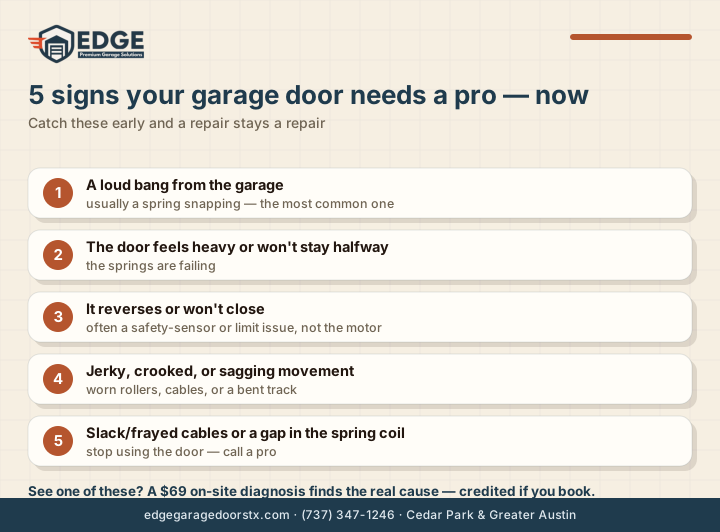
- A loud bang or snap sound from the garage area
- Visible gap or separation in the spring coil
- Door that only opens a few inches before stopping
- Door feels extremely heavy when attempting manual operation
- Door appears crooked or uneven when partially raised
According to garage door industry statistics and insights, springs typically last 7,000 to 10,000 cycles, with each cycle representing one complete opening and closing. For households in Austin that use their garage as the primary entry point, this translates to approximately 7-10 years of service life under normal conditions.
However, Austin’s intense summer heat accelerates spring fatigue. Metal components undergo thermal stress during temperature swings from morning cool to afternoon highs exceeding 100°F. This environmental factor can reduce spring lifespan by 15-20% compared to moderate climate regions.
For homeowners considering a 2-door garage conversion in Austin TX, understanding spring systems becomes even more critical, as the project may require upgraded spring configurations to handle modified door weights.


How Do Opener Malfunctions Affect Garage Door Operation?
Modern garage door openers contain complex mechanical and electronic systems that can fail in multiple ways. Motor burnout, gear stripping, circuit board failure, and remote communication issues all prevent proper door operation.
Common opener-related problems include:
- Motor runs but door doesn’t move (likely gear failure)
- No response to remote or wall button (power or circuit issue)
- Intermittent operation (loose wiring or sensor interference)
- Grinding or unusual noises during operation (mechanical wear)
- Door reverses immediately after starting to close (safety sensor activation)
In Austin specifically, tripped GFI (Ground Fault Interrupter) outlets represent a particularly common issue. Central Texas experiences frequent thunderstorms, especially during spring and early summer months. These storms create electrical surges that trip GFI protection, cutting power to the opener even when nothing is mechanically wrong.
The solution is often simple: locate the outlet powering your garage door opener and press the “RESET” button if it has popped out. This single step resolves approximately 15-20% of “non-functioning” garage door service calls in the Austin area.
When opener problems prove more complex, homeowners should consider professional garage door installation of modern smart openers, which offer enhanced diagnostics, remote monitoring, and improved reliability compared to units over 10-15 years old.
What Role Do Safety Sensors Play in Garage Door Function?
Since 1993, federal law has required garage door openers to include photoelectric sensors that prevent the door from closing on people, pets, or objects. These sensors sit approximately 4-6 inches above the ground on both sides of the door opening, projecting an invisible beam across the threshold.
When this beam is broken or the sensors become misaligned, the safety system prevents door operation entirely. This design protects users but creates frustration when sensors malfunction due to environmental factors rather than actual obstructions.
Austin-specific sensor challenges include:
- Spiders and insects building webs across sensor lenses (extremely common in Texas)
- Dust and pollen accumulation obscuring sensor vision
- Thermal expansion causing bracket misalignment during extreme heat
- Moisture condensation on lenses during humid mornings
- Direct sunlight interference affecting sensor communication
Most opener systems include indicator lights on the sensors themselves. Typically, solid lights on both units indicate proper alignment and function, while blinking or off lights signal a problem. For comprehensive information on these systems, review our guide on what you need to know about garage door safety sensors in Austin TX.
How Does Austin’s Climate Impact Garage Door Performance?
Austin’s unique climate profile creates specific challenges for garage door systems. The region experiences temperature extremes ranging from occasional winter freezes to summer highs exceeding 105°F, humidity levels varying from 15% to 90%, and intense UV exposure year-round.
These environmental factors affect garage door components in measurable ways:
Temperature effects: Metal tracks, springs, and hardware expand during summer heat and contract during winter cold. This constant dimensional change loosens fasteners, misaligns components, and accelerates metal fatigue. Lubrication also breaks down faster in extreme heat, causing increased friction and wear.
Humidity impacts: While Austin is generally dry compared to Houston or coastal regions, morning humidity often exceeds 80% before burning off. This moisture promotes rust on unprotected metal components and can cause wood doors to swell, creating binding issues. For those in neighborhoods near Lake Travis or Lady Bird Lake, humidity exposure increases further.
UV degradation: Central Texas receives intense solar radiation year-round. This UV exposure degrades rubber weather sealing, fades door finishes, and makes plastic components brittle over time. South-facing garage doors experience particularly aggressive degradation.
Homeowners planning upgrades should consider these factors when reviewing residential garage door sizes in Austin TX, as proper material selection significantly impacts longevity in local conditions.
What Troubleshooting Steps Should You Try First?
Before calling for professional service, systematic troubleshooting can often identify simple fixes that restore functionality immediately. Follow these steps in order for the most efficient diagnosis:
Step 1: Check Power and Remote Function
Verify the opener unit has power by checking if the light turns on when the wall button is pressed. Replace remote batteries even if they seem functional, as weak batteries cause intermittent operation. Try the wall-mounted button to determine if the issue is remote-specific or system-wide.
Step 2: Inspect and Reset GFI Outlets
Locate the outlet powering your garage door opener. If it’s a GFI outlet (with test/reset buttons), press the reset button firmly. According to Austin garage door repair experts, this simple step resolves many service calls, particularly after thunderstorms or power fluctuations common in Central Texas.
Step 3: Examine Safety Sensors
Clean both sensor lenses with a dry cloth. Remove any spiderwebs, insects, or debris blocking the beam path. Ensure both sensors point directly at each other and that mounting brackets haven’t shifted. Check that indicator lights show proper alignment (consult your opener manual for specific light patterns).
Step 4: Check for Manual Locks
Inspect the inside of your door for a manual lock bar that slides into the track or a lock button on the wall panel. These override mechanisms prevent opener operation when engaged, and homeowners sometimes activate them accidentally.
Step 5: Test Manual Operation
Pull the red emergency release cord (usually hanging from the opener trolley) to disengage the opener mechanism. Attempt to lift the door manually. If it lifts smoothly and stays open around chest height, the problem likely resides in the opener system. If the door feels extremely heavy, won’t lift, or immediately falls closed, suspect broken springs or other mechanical issues.
For additional cold-weather specific guidance, Austin homeowners experiencing seasonal issues should consult our article on garage door won’t open in cold weather in Austin TX.
When Should You Call a Professional in Austin TX?
Certain garage door issues require immediate professional intervention due to safety risks or technical complexity. Understanding these boundaries prevents injury and property damage.
Never attempt DIY repairs for:
- Broken springs or cables: These components store extreme tension capable of causing severe injury or death during amateur repair attempts
- Off-track doors: Doors that have jumped the track create pinch points and crushing hazards
- Structural damage: Bent panels, damaged tracks, or compromised framing require professional assessment
- Complex opener repairs: Internal motor, gear, or circuit board issues demand specialized knowledge and tools
According to professional garage door repair specialists, emergency repairs involving springs, cables, and structural integrity should always be handled by trained technicians with proper equipment.
Warning signs requiring immediate professional service:
- Loud bang or snap from the garage area
- Visible broken, separated, or stretched springs
- Door hanging unevenly or at an angle
- Grinding, scraping, or metal-on-metal sounds during operation
- Door that falls rapidly when released manually
- Opener motor running continuously without moving the door
- Smoke or burning smell from the opener unit
Professional garage door services in Austin TX provide same-day emergency response, warranty-backed repairs, and safety inspections that identify potential failures before they cause problems.
How Much Does Garage Door Repair Cost in Austin?
Garage door repair costs in Austin vary significantly based on the specific issue, door size, component quality, and service provider expertise. Pricing depends on your specific situation, required parts, and the scope of work needed.
General cost ranges for common repairs include:
- Spring replacement: $150 to $400+ depending on door size, spring type (torsion vs. extension), and whether you’re replacing one or both springs
- Opener repair/replacement: $200 to $800+ based on opener type, horsepower requirements, and smart features
- Sensor alignment/replacement: $75 to $200+ for professional service and parts
- Track repair: $150 to $500+ depending on damage extent and whether replacement is necessary
- Cable replacement: $150 to $350+ for professional installation with proper tension adjustment
These ranges reflect the variability inherent in garage door repair. A basic spring replacement on a single-car door differs substantially from spring service on an oversized two-car door with premium components. Similarly, replacing a basic chain-drive opener costs considerably less than installing a belt-drive unit with smartphone connectivity and battery backup.
For detailed pricing breakdowns specific to the Austin market, homeowners should review our comprehensive guide on how much garage door repair costs in Austin TX.
Premium service providers emphasize value over low cost, offering warranties, guaranteed response times, and certified technicians. The cheapest repair quote often translates to inferior parts, inadequate service, or hidden fees that inflate final costs beyond initial estimates.
When budgeting for repairs, request itemized quotes that specify parts quality, labor costs, and warranty coverage. Reputable companies provide transparent pricing and custom quotes based on in-person inspection rather than generic phone estimates.
How Can You Prevent Future Garage Door Problems?
Proactive maintenance significantly extends garage door lifespan and prevents unexpected failures. Industry research shows that regular servicing reduces emergency repair needs by 40-50% while extending component life by several years.
Essential maintenance tasks include:
Monthly inspections: Visually examine springs, cables, rollers, and tracks for wear, rust, or damage. Listen for unusual noises during operation. Test the auto-reverse safety feature by placing an object in the door’s path.
Quarterly lubrication: Apply garage door-specific lubricant to springs, rollers, hinges, and tracks. Avoid WD-40, which is a cleaner rather than a lubricant. Use silicone or lithium-based products designed for garage door applications. Austin’s heat accelerates lubricant breakdown, making regular application particularly important.
Sensor cleaning: Wipe sensor lenses monthly with a soft, dry cloth. Remove spiderwebs and debris from around sensor housings. In Austin’s insect-friendly environment, this simple task prevents many service calls.
Weather seal inspection: Check bottom weather seal and perimeter sealing for cracks, gaps, or deterioration. UV exposure in Central Texas degrades these components faster than in temperate regions. Replace sealing when it becomes brittle or gaps appear.
Professional servicing: Schedule annual professional inspections that include spring tension adjustment, hardware tightening, track alignment, opener diagnostics, and safety testing. Technicians identify developing issues before they cause failures.
For homeowners at Edge Garage Doors throughout the Austin metro area, preventive maintenance programs offer scheduled service that adapts to local environmental demands and usage patterns specific to Texas conditions.
People Also Ask
Why won’t my garage door open but the motor runs?
When the motor runs but the door doesn’t move, you likely have a broken spring, stripped opener gear, or disengaged trolley carriage. Pull the emergency release cord and attempt manual operation to determine if the issue is mechanical (door won’t lift) or related to the opener mechanism (door lifts smoothly).
Can extreme heat cause my garage door to stop working?
Yes, Austin’s extreme summer heat can cause metal tracks to expand and bind, lubricants to break down prematurely, and safety sensors to misalign as mounting hardware shifts. Heat can also trip thermal overload protection in opener motors, causing temporary shutdowns until components cool.
How do I know if my garage door spring is broken?
Broken springs produce a loud bang sound, create visible gaps or separations in the coil, cause the door to feel extremely heavy during manual operation, and prevent the door from opening more than a few inches. You may also notice the door hanging unevenly or cables appearing loose.
Why does my garage door work intermittently?
Intermittent operation typically indicates weak remote batteries, loose electrical connections, marginal sensor alignment, or developing opener circuit board issues. In Austin, tripped GFI outlets from frequent thunderstorms also cause on-and-off functionality that confuses homeowners.
How long do garage door springs typically last in Austin?
Standard garage door springs are rated for 7,000 to 10,000 cycles, which translates to approximately 7-10 years with average use. However, Austin’s extreme heat and temperature cycling can reduce this lifespan by 15-20%, meaning local homeowners often need spring replacement after 6-8 years.
Is it safe to manually open a garage door with a broken spring?
No, manually operating a door with a broken spring is extremely dangerous because the door’s full weight (150-400 pounds) is no longer counterbalanced. The door can fall rapidly, causing severe injury or crushing damage to vehicles and property. Keep the door closed and contact a professional immediately.
Frequently Asked Questions
What should I do first when my garage door won’t open?+
Start by checking the simplest solutions: replace remote batteries, verify the opener unit has power, and press the reset button on any GFI outlets in the garage. These basic steps resolve approximately 20-25% of garage door opening issues without requiring any technical knowledge or tools.
Can I replace a garage door spring myself?+
No, spring replacement is one of the most dangerous garage door repairs homeowners can attempt. Springs operate under extreme tension that can cause severe injury or death if released improperly during DIY repair attempts. Always hire a trained professional with proper equipment and safety knowledge for spring work.
How often should I have my garage door professionally serviced in Austin?+
Annual professional servicing is recommended for Austin homeowners, with bi-annual service beneficial for frequently used doors or those in particularly harsh exposure conditions. Regular maintenance includes spring tension adjustment, hardware tightening, lubrication, safety testing, and component inspection that identifies problems before they cause failures.
Why do my garage door sensors keep going out of alignment?+
In Austin, thermal expansion from extreme heat causes mounting brackets to shift slightly as garage structures expand and contract. Vibration from door operation, accidental impacts from lawn equipment or vehicles, and loose mounting hardware also contribute to recurring alignment problems, particularly in older installations.
What’s the difference between torsion and extension springs?+
Torsion springs mount horizontally above the door and twist to provide lifting force, while extension springs mount vertically on both sides and stretch during operation. Torsion systems are generally more durable, provide smoother operation, and pose slightly lower safety risks, though both types require professional service when they fail.
Should I repair or replace my garage door opener?+
Openers over 15 years old generally benefit from replacement rather than repair, as modern units offer enhanced safety features, smart home connectivity, quieter operation, and improved energy efficiency. For newer units with isolated component failures, repair often provides cost-effective restoration of functionality with warranty protection.
How can I tell if my problem is the opener or the door itself?+
Pull the emergency release cord to disengage the opener and test manual operation. If the door lifts smoothly and stays open at chest height, the mechanical system is fine and the issue resides with the opener. If the door feels extremely heavy, won’t lift, or falls immediately when released, you have a mechanical problem with springs, cables, or other hardware.
Key Takeaways
- Broken springs are the leading cause of garage doors that won’t open, accounting for 35-40% of all failures and requiring immediate professional service due to extreme safety risks
- Austin’s climate accelerates component wear through temperature extremes, humidity fluctuations, and intense UV exposure that reduce typical lifespan estimates by 15-20%
- Tripped GFI outlets from thunderstorms represent a uniquely common issue in Central Texas that homeowners can resolve by simply pressing the reset button on garage outlets
- Safety sensors prevent door operation when misaligned, blocked, or dirty, with spiders and insects creating particularly frequent problems in Austin’s environment
- Manual operation testing reveals problem location, distinguishing between mechanical failures (heavy, immobile door) and opener malfunctions (door lifts smoothly when disengaged)
- Never attempt DIY spring or cable repairs due to extreme tension that poses severe injury risks, always requiring professional technicians with proper equipment and training
- Annual professional maintenance reduces emergency repairs by 40-50% while extending component lifespan through proper adjustment, lubrication, and early problem detection
Get Expert Garage Door Service in Austin TX
When your garage door won’t open in Austin TX, quick professional diagnosis prevents security concerns, protects your property, and restores daily convenience. Whether you’re dealing with broken springs, malfunctioning openers, or mysterious issues that resist basic troubleshooting, experienced technicians provide same-day service throughout the greater Austin area.
Don’t let a non-functioning garage door disrupt your schedule or compromise your home security. Professional service includes comprehensive safety inspections, warranty-backed repairs using premium components, and transparent pricing based on your specific situation.
Contact Edge Garage Doors today for expert diagnosis and repair service that addresses both immediate problems and underlying issues affecting long-term reliability. Our certified technicians serve homeowners throughout Austin, Round Rock, Cedar Park, and surrounding Central Texas communities with responsive, professional garage door solutions.